
Norfolk
New roofs in Great Yarmouth
Roof replacements across NR30 and NR31, specified for coastal exposure rather than a sheltered street.
A roof in Great Yarmouth does not have the same life as the identical roof twenty miles inland, and pretending otherwise is how coastal roofs fail early. Wind straight off the North Sea and salt carried in the air work on fixings, mortar and the edges of a roof continuously. It is the reason nail sickness turns up here on roofs that would still be sound further west.
What we do differently on the coast
Fixing specification
Exposure determines how many tiles or slates need mechanical fixing rather than relying on their own weight and interlock. On the seafront rows that is a much higher proportion than a standard detail assumes, and we specify it from the exposure rather than from habit.
Edges and verges
Wind gets under a roof at the verge and the eaves. Once it lifts one tile it takes the row. Dry verge systems fixed mechanically hold where mortar bedding does not.
Materials that cope with salt
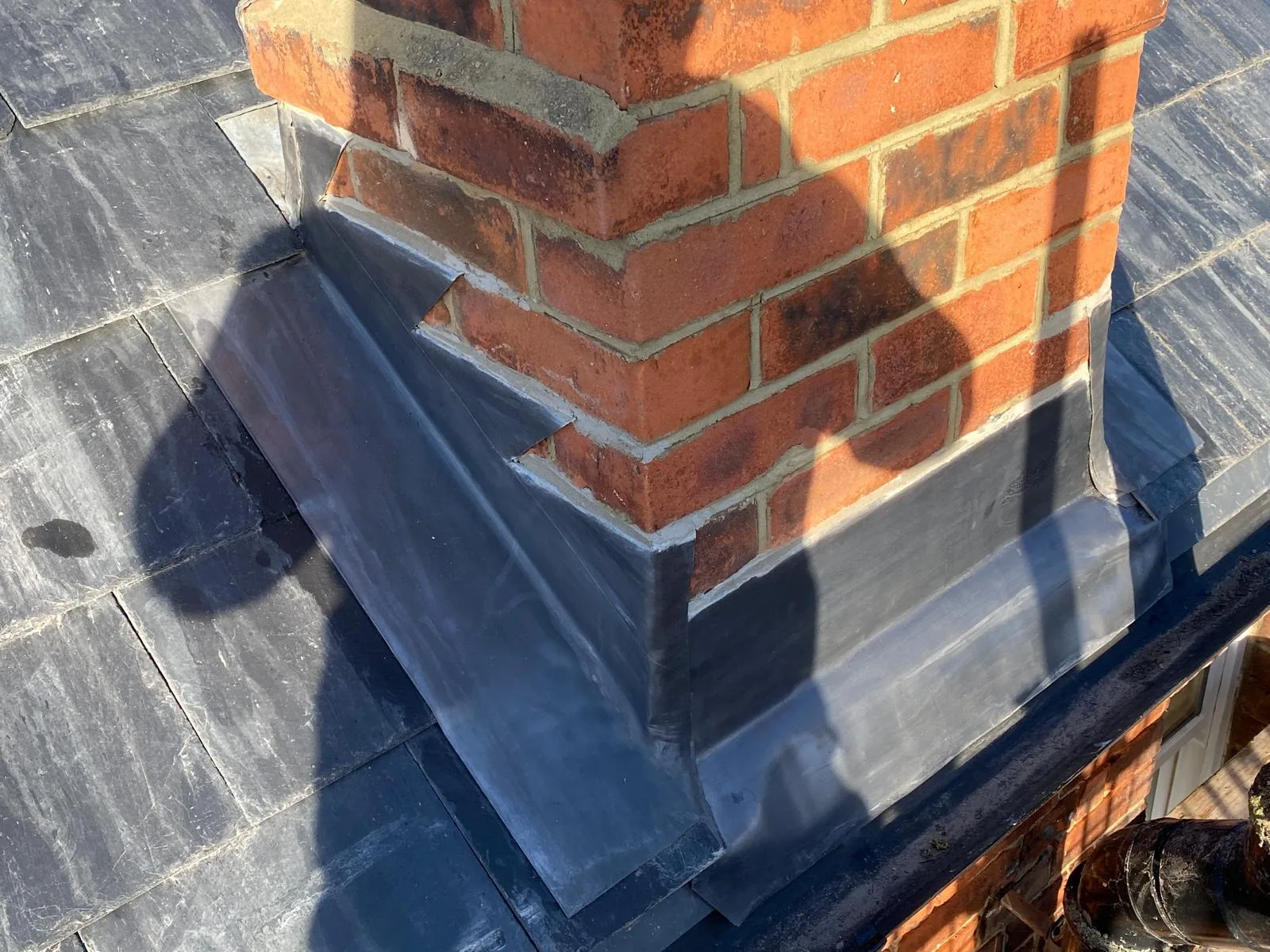
Fixings and flashings corrode faster here, so the choice of nail and clip matters more than it does inland.
The building stock
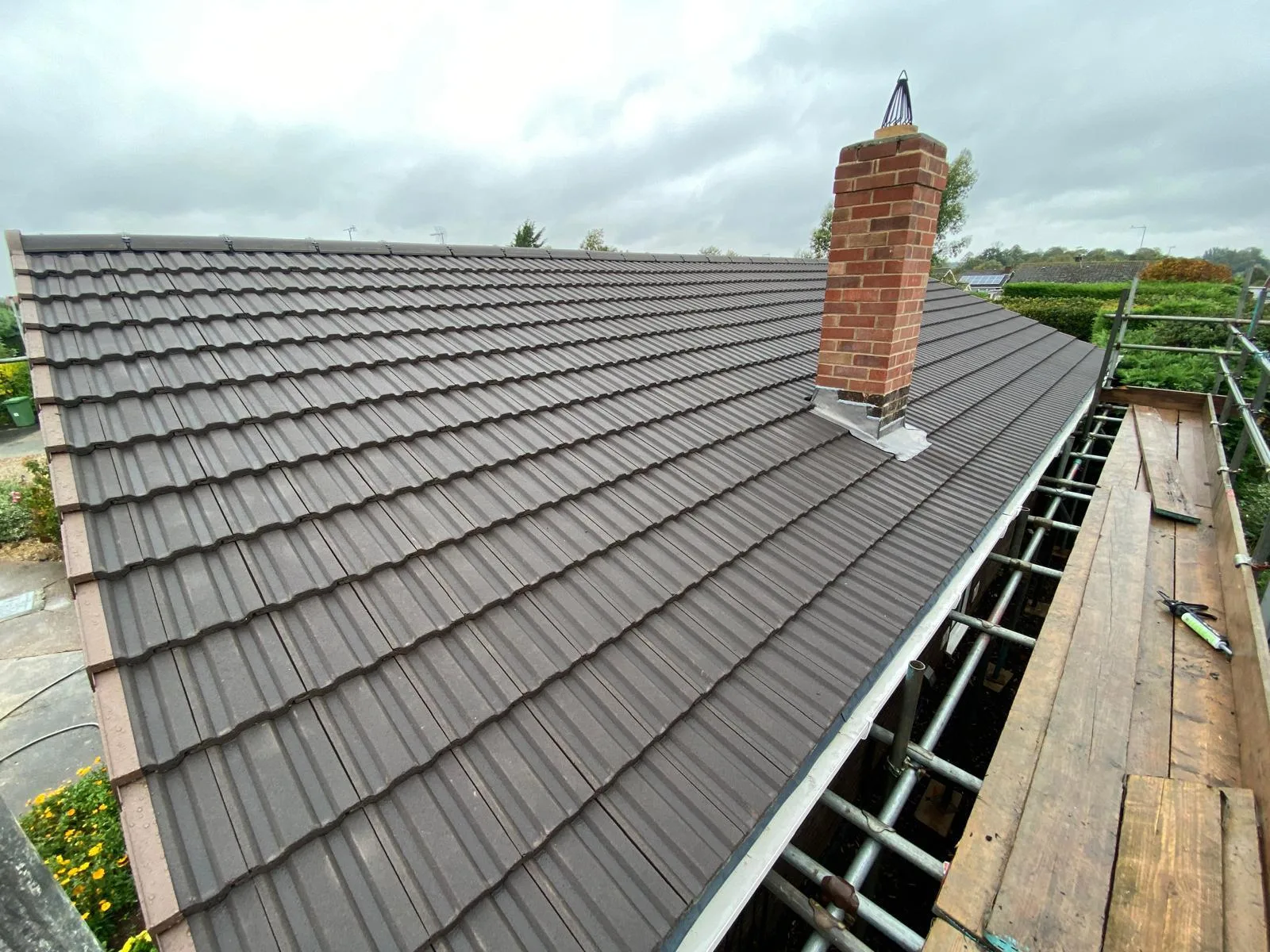
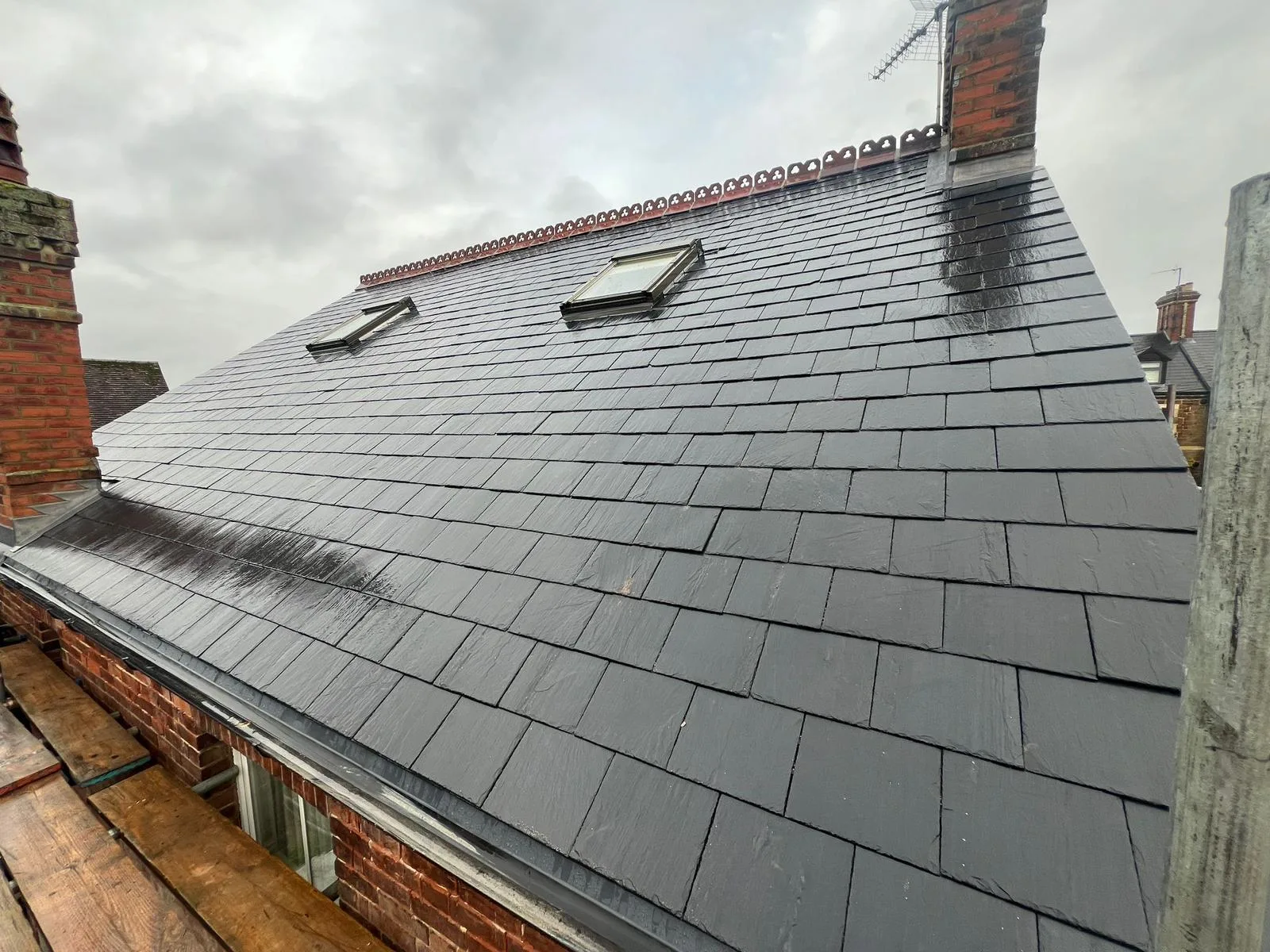
The rows behind the seafront and much of the older town are terraces in slate and clay pantile, tightly packed, with shared valleys and very limited access. The estates at Gorleston and out along the Bradwell side are largely concrete interlocking tile of post war construction, now needing re-covers where the felt has perished.
What is included
- Fixed written quote with the specification set out
- Timbers exposed, inspected and repaired before recovering
- Breathable membrane, treated battens, dry ridge and verge
- Fixings specified for coastal exposure, not a standard inland detail
- Scaffold, disposal and clear up in the price
Recent work near Great Yarmouth
View all projects →
New roofs in Great Yarmouth: common questions
Why do roofs fail faster in Yarmouth?
Wind and salt. Salt accelerates corrosion of nails and flashings, and sustained wind works on any edge that is not mechanically fixed. Both shorten the life of a roof that would be fine inland.
Can you work on the seafront terraces?
Yes. Access and scaffold need planning on those rows and we allow for it in the quote rather than treating it as an extra once we are on site.
Is a dry verge really necessary?
On this coast, yes, in our view. Mortar bedded verges are the first thing to go in a gale and they will keep going. A mechanically fixed verge is the single best value upgrade on an exposed roof.
Ready to get started?
Tell us about your project and we'll be in touch.